No Luck Just God Embroidery Design Review
As I set up my booth for the upcoming weekend craft fair, the table is a chaotic mix of finished goods, half-stitched samples, and fabric swatches. The goal is always the same: create a display that stops a passerby in their tracks. This season, I am focusing on faith-based items with a modern, playful twist. That is where No Luck Just God Embroidery comes into play. Before I commit to a full batch production run, I need to evaluate if this specific machine embroidery design will translate well from a digital file to a tangible, sellable product.
First Impressions: Playful Faith for the Modern Maker
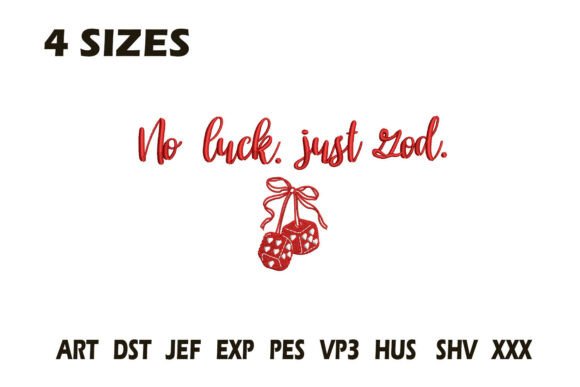
The moment I load the preview of No Luck Just God Embroidery, the vibe is immediately clear. It is not a heavy, traditional religious motif you might find in a church bulletin. Instead, it feels whimsical, bold, and approachable. For an Etsy seller or a boutique maker, this distinction is crucial. The design strikes a balance between being decorative and delivering a message. It has that "farmhouse chic" aesthetic that is currently dominating handmade markets, but with enough edge to stand out on a t-shirt or a tote bag.
When reviewing a new design asset, I look for versatility. Does it feel premium? Yes, provided the execution is clean. Is it cute? Absolutely. The phrase itself suggests a lighthearted confidence that resonates with a wide demographic. Whether you are targeting Valentine S Day shoppers looking for meaningful gifts or general customers browsing for home decor, this design offers a fresh take on spiritual apparel. It avoids feeling dated, which is often the biggest risk when selling faith-based merchandise at a craft fair.
Evaluating Product Applications for Maximum Sales
The real test of any digital embroidery file is how it performs across different substrates. I have laid out several potential products on my worktable to see where No Luck Just God Embroidery shines brightest.
- Tote Bags and Market Bags: This is likely the strongest application. A large, centered placement on a canvas tote bag creates an instant statement piece. The fabric texture of canvas holds the stitches well, and the size allows the lettering to be legible from a distance. As a craft fair product, these bags are practical and highly giftable.
- Tea Towels and Aprons: Kitchen textiles are perennial sellers. Placing this design on a linen tea towel adds a touch of personality to a functional item. For apron embroidery, positioning the design near the chest pocket works well as a focal point. However, one must consider the fabric weave; tighter weaves yield cleaner results than very loose linens.
- Embroidered Patches: Creating patches is a smart strategy for small shop owners. You can sew these onto denim jackets, backpacks, or hats later. It reduces the time spent stitching directly on varied garments during a busy market day. The design's clarity makes it suitable for a patch format, assuming the stitch density is managed correctly.
- Caps and Headwear: Curved surfaces present a challenge. While the design could work on a cap, the curvature might distort the text slightly. It requires careful hoop adjustment and potentially a smaller scale to maintain readability.
- Pillow Covers and Home Decor: For a more static display, pillow covers offer a great canvas. The softness of the fabric complements the whimsical nature of the text. These make excellent handmade products for gift baskets.
Production Realities: Stitch Density and Fabric Texture
While the concept is strong, the technical execution determines whether the finished product looks professional or amateurish. As I prepare my machines, I am mindful of a few critical factors regarding No Luck Just God Embroidery.
First, check the stitch density. If the design is too dense, especially on thick fabrics like denim or towels, the material may pucker. This ruins the drape of a garment and lowers the perceived value. Conversely, if the density is too low, the backing might show through, making the design look cheap. Always run a test on scrap fabric that matches your final product's weight.
Second, consider the thread colors against the background. High contrast is key for visibility in a crowded booth. On a dark fabric, light threads pop, but they require a good stabilizer to prevent sinking into the fibers. On textured towels, the loops can sometimes obscure fine details. If the design includes tiny details or small lettering, ensure the hoop size is sufficient to keep everything stable. If the text becomes illegible due to the texture or size reduction, the message is lost.
Furthermore, do not overlook the importance of the stabilizer. Using the right cut-away or tear-away stabilizer is non-negotiable for maintaining the integrity of the embroidery file. Without it, even the best design can look distorted after washing.
Marketing and Visual Appeal for Online and Offline Sales
For the online component of my business, specifically my Etsy listings, photography is everything. No Luck Just God Embroidery photographs beautifully because the text is distinct. When creating printable mockups or taking photos of the actual stitched items, the design reads clearly even on a smartphone screen. This clarity translates to higher click-through rates.
In a physical booth setting, the design acts as a conversation starter. Customers often gravitate toward items that express a personal belief in a fun way. This design fits perfectly into a brand consistency strategy that values authenticity and humor. It elevates a simple t-shirt or towel into a statement piece, allowing you to charge a premium price for the handmade quality.
However, remember that repeatability matters. Can you produce ten of these in an hour without quality degradation? If the design requires constant re-hooping or frequent thread changes, it might slow down your workflow during a busy Saturday morning. Batch production is efficient only if the design assets are optimized for speed and consistency.
Final Checklist for the Designer
Before you finalize your order or start stitching for the weekend market, follow these steps:
- Test the design on a scrap piece of your intended fabric to check for puckering.
- Verify the thread contrast ensures the text is readable from three feet away.
- Confirm the hoop size accommodates the design without stretching the fabric unevenly.
- Inspect the stitch count to ensure it isn't so high that it takes forever to run.
- Create at least one real mockup to photograph for your social media and Etsy listing.
- Double-check your commercial licensing terms to ensure you are allowed to sell finished products made with this file.
No Luck Just God Embroidery has the potential to be a top seller for creative entrepreneurs who understand how to match the design with the right product. By paying attention to the technical details of thread, stabilizer, and fabric choice, you can turn this playful machine embroidery design into a profitable staple for your handmade shop.