Little Mouse Embroidery Design Review
As a designer who has spent years navigating the delicate balance between whimsical art and functional stitching, I approach every new machine embroidery design with a critical eye. The market is flooded with generic patterns, so finding a piece that truly captures a mood while remaining practical for production is rare. When I first opened the file for Little Mouse Embroidery Design, I was immediately struck by its promise of "youthful wonderment." But does this dainty mouse translate from a digital preview to a tangible, high-quality finished product? Let's dive into how this design performs in real-world scenarios.
The Mood and Visual Personality
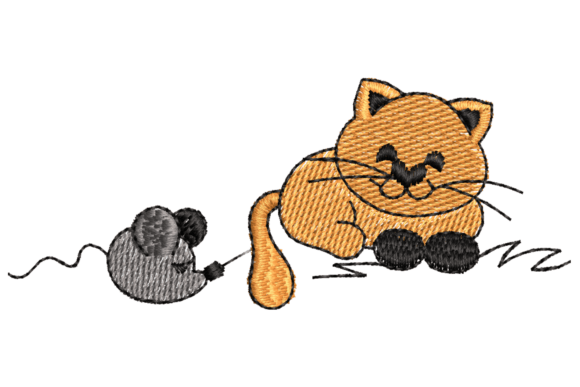
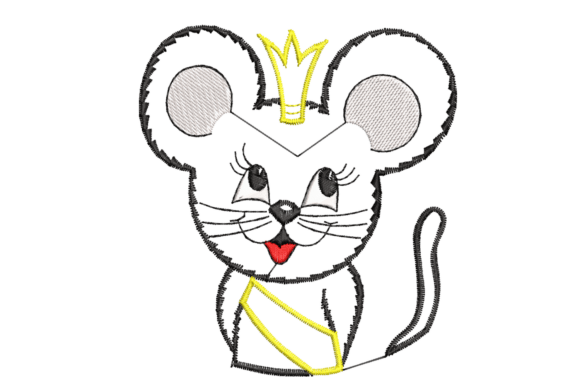
The first impression of Little Mouse Embroidery Design is one of gentle nostalgia. It doesn't scream for attention; instead, it invites a closer look. The silhouette is soft, avoiding harsh geometric lines in favor of organic curves that suggest innocence. In the realm of Animals themed Embroidery, many designs lean too heavily on cartoonish exaggeration or overly complex realism. This design finds a sweet spot. The layout feels balanced, with enough negative space to let the character breathe, yet sufficient detail to create visual interest.
For a craft business owner or an Etsy seller, this kind of visual personality is gold. It suggests a brand that values quality and thoughtfulness. Whether you are creating a personalized gift for a nursery or a boutique item for your shop, the design carries an emotional weight that customers can feel before they even touch the fabric. It evokes a sense of safety and comfort, making it an excellent candidate for items meant to be cherished.
Real-World Application: A Custom Tote Bag Scenario
To truly test the viability of this embroidery file, I imagined a specific project: a custom embroidered tote bag for a local children's bookstore. The goal was to create a durable, reusable bag that felt special but not fragile. I visualized placing the Little Mouse Embroidery Design near the top corner of a sturdy canvas tote.
In this context, the design shines. The scale of the mouse allows it to remain legible without dominating the entire surface area of the bag. Because the design features clean outlines and manageable fill areas, it would stitch up quickly, which is crucial for small batch production. If I were using this for custom apparel like a sweatshirt, I would likely place it on the chest pocket or as a small accent on the sleeve. The whimsical nature of the mouse makes it perfect for holiday embroidery projects as well, perhaps paired with a tiny acorn or leaf motif for a seasonal touch.
However, the success of this application depends heavily on execution. On a smooth cotton blend, the fill stitch would lay flat and even. But if I were to rush the process and skip proper stabilization, the intricate details around the mouse's ears and whiskers could pucker, ruining the professional finish. This is where the stitch density becomes a critical factor to evaluate before committing to a full run of products.
Navigating Fabric Challenges and Limitations
While Little Mouse Embroidery Design is versatile, it is not a magic bullet for every material. As a reviewer, I must point out where caution is required. This design relies on fine details to convey its charm. If you attempt to stitch this onto a highly textured fabric, such as a thick terry cloth towel or a nubby wool blanket, those fine lines may get lost in the weave. The texture of the fabric can compete with the thread colors, making the design appear muddy rather than crisp.
Similarly, working with stretchy fabrics like jersey knit requires extra care. Without the right stabilizer, the tension from the needle can distort the shape of the mouse, stretching the proportions and making it look awkward. For dark fabric backgrounds, you will need to ensure there is a solid underlay or consider using a lighter shade of thread to maintain contrast. If the background is too dark and the thread too similar, the "dainty" aspect of the design disappears entirely.
Another consideration is the hoop size. While the design appears compact, you must confirm that it fits comfortably within your machine's hoop without crowding. Crowding leads to uneven tension and potential thread breaks. If you are planning to use this on curved surfaces like caps, the curvature might flatten the bottom of the design, altering the intended stance of the mouse. Always check the dimensions against your specific cap panel template before purchasing or producing.
Enhancing Product Value and Brand Trust
Using a well-crafted design like Little Mouse Embroidery Design directly impacts the perceived value of your handmade product. Customers today are savvy; they can tell the difference between a rushed, low-quality stitch and a carefully executed piece. When a buyer sees a clean, detailed animal motif on a baby embroidery item or a kitchen towel, it signals that the maker cares about quality. This builds trust and encourages repeat business.
For digital product sellers offering mockups, the clarity of this design ensures that your previews look professional. A blurry or pixelated preview can deter sales, but a sharp image of this mouse design showcases exactly what the customer can expect. Furthermore, the design's timeless appeal means it won't look dated next season, allowing you to keep it in your catalog for years. This longevity is essential for maintaining consistent branding across your small shop product line.
Practical Designer Notes for Success
Before you commit this design to a client order or a large inventory batch, follow these practical steps to ensure the best results:
- Test on Scrap Fabric: Never skip the test stitch. Run the design on a scrap piece of the exact fabric you plan to use. Check for puckering, thread breaks, or skipped stitches.
- Review Thread Contrast: Ensure your chosen thread colors pop against the background. Low contrast can make the design invisible, especially in photos for online listings.
- Check Stabilizer Needs: Determine if you need a tear-away, cut-away, or wash-away stabilizer based on the fabric weight and stretch.
- Inspect Small Details: Zoom in on the mouse's facial features. Are the eyes clear? Do the whiskers stand out? Adjust the thread type if necessary.
- Verify Licensing: If you are selling the finished goods, confirm that your license allows for commercial embroidery. Do not sell the digital embroidery file itself unless explicitly permitted.
- Mockup Testing: Create both light and dark background mockups to see how the design translates visually before you start sewing.
Ultimately, Little Mouse Embroidery Design offers a charming, versatile option for designers looking to add a touch of magic to their work. With careful attention to fabric choice, stabilization, and testing, it can become a standout feature in your portfolio. Whether you are crafting a single embroidered patch for a friend or building a line of boutique merchandise, this design provides the foundation for beautiful, professional results.