Gingerbread House Embroidery Files Review
As a seasoned embroidery designer who has spent countless weekends setting up booths at craft fairs and managing online handmade shops, I know that the difference between a good design and a bestseller often comes down to execution and visual impact. Today, I am putting the Gingerbread House Embroidery Files through a rigorous real-world test. These files are marketed as high-quality digital appliqué designs intended to bring creative projects to life, perfect for shirts, tote bags, pillows, and festive decorations. But does this promise hold up when you are standing behind a table full of inventory, waiting for customers to stop and buy? Let's dive into how this specific machine embroidery design performs in a commercial setting.
First Impressions: The Holiday Vibe Check
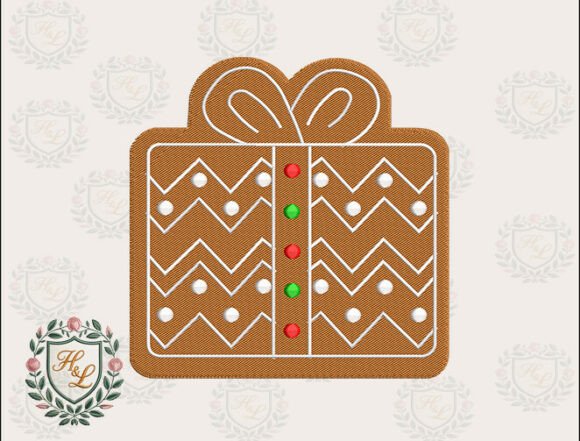
When I first loaded the Gingerbread House Embroidery Files onto my screen, the aesthetic immediately screamed "festive" and "whimsical." In the world of Christmas crafting, there is a fine line between kitschy and charming. This design leans heavily into the cute and rustic side, which is exactly what sells well during the holiday season. It feels less like a generic clip-art reproduction and more like a handcrafted asset that adds warmth to any item. For an Etsy seller or boutique maker, this vibe is crucial. Customers browsing your booth or scrolling through your shop want to feel the cozy atmosphere of the holidays before they even touch the product. The design assets provided here seem to capture that essence perfectly, offering a look that is both decorative and inviting.
Product Performance: Where Does It Shine?
The description suggests these files are versatile, but in my experience, not every design works on every surface. Here is how the Gingerbread House Embroidery Files translate across different craft fair products:
- Tote Bags and Market Bags: This is arguably the strongest application. A large-scale version of this design on a canvas tote bag creates an instant focal point. When displayed hanging from a rack or stacked on a table, the contrast of the thread colors against natural linen or cotton makes the gingerbread house pop. It transforms a simple utility item into a statement piece.
- Apron Embroidery and Tea Towel Embroidery: Kitchen textiles are huge sellers in December. Placing this design on the bib of an apron or the corner of a tea towel adds a touch of personalized charm. However, because it is an appliqué design, you must ensure the fabric texture of the towel doesn't interfere with the needle penetration. On smooth cotton, it looks premium; on rougher weaves, it requires careful stabilizer selection.
- Embroidered Patches and Caps: If you plan to sell caps, be cautious. The curved surface of a hat can distort intricate details. While the main structure of the house might hold up, tiny candy cane details could get lost. As an embroidered patch, however, this design excels. Patches are low-risk items for buyers and allow you to use the design on denim jackets, backpacks, or bags without committing to a full garment.
- Pillow Covers and Home Decor: For the home decor market, this design offers a soft, textured look. A pillow cover featuring the Gingerbread House Embroidery Files sits beautifully on a display sofa or shelf, inviting customers to imagine it in their own living room.
Practical Production and Selling Points
For the small shop product owner, efficiency is key. One of the biggest advantages of this digital embroidery file is its clarity. Even at a glance, the subject matter is unmistakable. In a busy craft fair environment where customers walk by quickly, your products need to communicate their value instantly. This design achieves that. It is bold enough to catch the eye but detailed enough to warrant a closer look.
Furthermore, the design photographs exceptionally well for online listings. Whether you are creating a printable mockup for social media or taking photos of the finished product for your Etsy store, the depth created by the appliqué technique adds a professional quality that flat prints cannot match. This perceived increase in value allows you to price your handmade products higher, improving your profit margins. The design also feels repeatable, meaning once you have dialed in your hoop size and thread colors, you can batch produce a run of items with consistent results, ensuring your booth inventory is ready before the weekend rush begins.
Critical Considerations for Commercial Embroidery
While the potential is high, there are practical challenges you must address to avoid production headaches. As a professional, I always advise testing the design on scrap fabric first. Appliqué designs involve cutting and stitching layers, which increases the risk of puckering if the stitch density is too high or the stabilizer is insufficient.
Pay close attention to the following areas:
- Dense Stitch Areas: If the roof or windows of the house have very dense stitching, they may become stiff. Ensure your machine settings are optimized to prevent fabric distortion.
- Small Details: Tiny lettering or minute candy decorations might disappear if you scale the design down too much. Always confirm the minimum recommended size for the design assets before shrinking them for small pouches or accessories.
- Fabric Texture and Color: Dark fabrics require underlay stitches to make the bright thread colors stand out. Similarly, highly textured towels can cause thread breakage. Always compare fabric colors against your thread palette to ensure the design remains legible.
- Hoop Size and Stabilizer: Verify that the hoop size fits your specific machine. Using the wrong stabilizer can ruin the finish of the appliqué, making it look messy rather than premium.
Maximizing Booth Display and Brand Consistency
To truly leverage the Gingerbread House Embroidery Files, you need to think about your overall brand consistency. If you are selling other Christmas items, ensure the color palette of this embroidery matches your wider collection. A cohesive booth display draws more attention than scattered, mismatched items. Use the design as a centerpiece on your table, perhaps placing a stack of embroidered tea towels next to a display of matching tote bags.
Customer engagement often hinges on the tactile nature of the product. Encourage shoppers to touch the raised texture of the appliqué. When a customer feels the quality of the stitching, the perceived value skyrockets. This physical interaction is something a digital download alone cannot provide, giving you a competitive edge over purely printed goods.
Final Designer Notes Before You Buy
Before you commit to purchasing the Gingerbread House Embroidery Files for your business, take a moment to verify the technical details. Check the exact stitch count to estimate production time, confirm the file formats are compatible with your software, and review the license terms to ensure you are allowed to sell finished products commercially. Do not assume the license covers unlimited sales; many digital sellers have specific restrictions.
Create at least one real mockup before running a full batch. Compare the design on different fabric colors to see which combination yields the most vibrant result. By treating this digital embroidery file with the same care you would give a physical pattern, you ensure that your final output is nothing short of professional. When executed correctly, this design has the power to become a staple in your holiday collection, driving sales and delighting customers looking for that perfect handmade gift.