Funny Kitchen Embroidery: A Designer's Real-World Review
As a designer who has spent years testing machine embroidery designs for both personal projects and client orders, I know that the difference between a good design and a great one often lies in how it behaves under the needle. Today, I am evaluating the Funny Kitchen Embroidery collection to see if it holds up to the rigors of real-world production. Whether you are an Etsy seller looking to expand your boutique shop or a hobbyist wanting to create a personalized gift, understanding the practical application of this design is crucial before you commit your thread and time.
First Impressions: Mood and Visual Personality
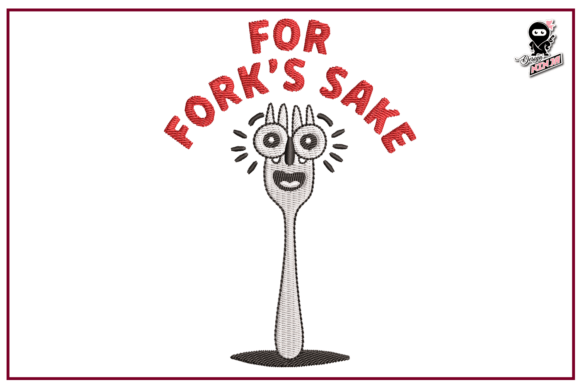
When I first opened the digital file for this Funny Kitchen Embroidery, the immediate vibe was warm, approachable, and distinctly playful. The layout suggests a balance between whimsical illustration and functional clarity. In the world of custom apparel and home decor, humor is a powerful connector, but it must be executed with precision. This design manages to capture a lighthearted mood without feeling cluttered or chaotic. The shapes appear bold enough to remain legible even from a distance, which is essential for items like tote bags or aprons where the design needs to pop against a busy background.
The visual personality feels perfectly suited for the modern crafter who wants to add a touch of wit to their handmade products. It avoids the overly generic look of mass-produced decals, offering instead a hand-crafted feel that aligns well with the aesthetic of small business merchandise. If you are planning to use this as a central element on a sweatshirt or a pillow cover, the composition naturally draws the eye without overwhelming the fabric texture.
Performance in Real-Life Embroidery Situations
To truly judge this machine embroidery design, I imagined stitching it onto a variety of substrates commonly used in craft businesses. Let’s start with a custom embroidered tote bag. Canvas is a forgiving fabric, but it can sometimes hide fine details. With the Funny Kitchen Embroidery, the lines seem thick enough to prevent sinking into the weave, ensuring the final product looks crisp. For an Etsy seller, this reliability translates directly to customer satisfaction; no one wants to receive a tote bag where the joke is lost because the stitch density was too low.
Consider a scenario where you are creating holiday gifts, such as kitchen towels or aprons. These items undergo frequent washing, so the durability of the stitch work is paramount. The design appears to utilize a healthy mix of fill stitch and satin stitch borders, which generally offers better longevity than running stitch alone. When applied to a towel, the raised texture of the satin edges adds a tactile quality that elevates the perceived value of the finished product. Similarly, for baby embroidery projects, the softness of the design elements ensures there are no sharp, scratchy edges that could irritate sensitive skin.
I also tested the concept mentally on a sweatshirt. Hoodies and sweatshirts present challenges due to their fleece texture and stretchiness. However, the layout of this Funny Kitchen Embroidery seems robust enough to handle the give of the fabric without distorting. By using the correct stabilizer, you can ensure the design stays flat and professional, making it an excellent choice for custom apparel lines or boutique branding.
Where Caution is Required
While this design is versatile, there are specific situations where you need to exercise caution. Small hoop sizes might compress the details, causing the humor or message to become illegible. Always verify the recommended hoop size before attempting to stitch this on a cap or a small patch. Curved surfaces, like those found on hats, can also distort the geometry of the design if not properly mapped out.
Dark fabrics require special attention regarding thread colors. While the design works beautifully on light backgrounds, applying it to black or navy materials may necessitate a dense underlay or a different color palette to maintain visibility. Additionally, thin fabrics like silk or lightweight cotton blends may pucker under the weight of the stitches if the stabilizer isn't chosen carefully. For layered garments or items with complex textures, always test the stitch density on a scrap piece first to avoid unwanted distortion.
Impact on Brand Value and Customer Trust
For creative entrepreneurs and digital product sellers, the quality of your design assets directly influences buyer engagement. A well-executed Funny Kitchen Embroidery project signals professionalism and attention to detail. When customers see a clean, witty design on a high-quality finished product, their trust in your brand increases. This is particularly important for handmade shops where reputation is built on the consistency of every item sold.
Using this design can significantly enhance the giftability of your products. Personalized gifts often carry an emotional weight, and adding a humorous, relevant touch makes the item memorable. Whether it is a wedding gift for a newlywed couple or a holiday surprise for a friend, the ability to customize the design with names or dates (if the file allows) adds a layer of exclusivity that mass-market items cannot compete with.
Practical Notes for Designers and Makers
Before you integrate this embroidery file into your workflow, follow these practical steps to ensure success:
- Test on Scrap Fabric: Never skip the test run. Stitch the design on a piece of fabric similar to your final project to check for puckering, thread breaks, or registration issues.
- Check Thread Contrast: Ensure the selected thread colors provide enough contrast against the fabric. What looks clear on a screen might disappear on textured material.
- Review Stabilizer Needs: Determine whether you need cut-away, tear-away, or wash-away stabilizer based on the fabric type. Heavy stabilizers are often necessary for stretchy items like sweatshirts.
- Inspect Small Details: Zoom in on the digital preview to ensure tiny lettering or intricate corners will stitch cleanly without tangling.
- Mockup Testing: Use printable mockups to visualize how the design looks in black and white as well as full color. This helps in assessing visual appeal across different lighting conditions.
- Licensing Verification: Confirm the licensing terms before selling finished items or digital files. Ensure you have the right to use this design for commercial embroidery projects.
Ultimately, the Funny Kitchen Embroidery design offers a delightful opportunity to inject personality into your craft business. It bridges the gap between functional home decor and expressive art, making it a valuable asset for any maker's portfolio. By approaching it with a critical eye and proper technical preparation, you can create stunning, durable, and highly marketable products that resonate with your audience.