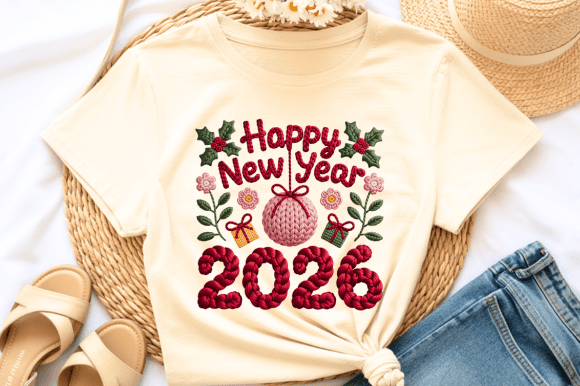
2026 Happy New Year Knitted Embroidery Review
As I set up my craft fair booth for the upcoming holiday weekend, the pressure to curate a collection that feels both timeless and fresh is immense. This year, my eyes have been drawn to a specific digital asset: 2026 Happy New Year Knitted Embroidery. Before I commit to hours of machine time and fabric costs, I need to evaluate if this design truly translates from a screen to a tangible handmade product that customers will want to buy. In the world of small shop products, the difference between a bestseller and a leftover item often comes down to texture, clarity, and how well the design speaks to the buyer at a glance.
First Impressions: A Soft Winter Aesthetic
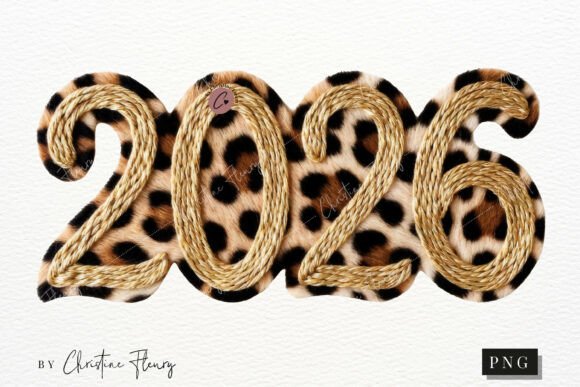
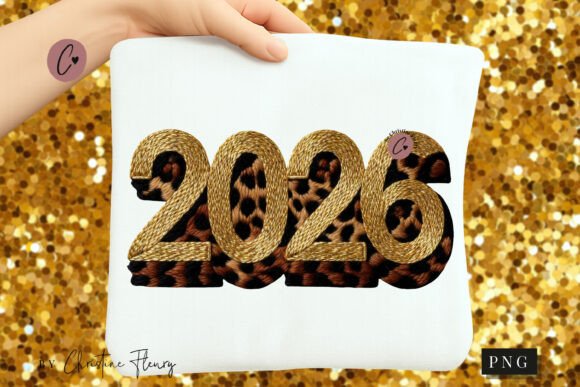
The first thing that strikes me about the 2026 Happy New Year Knitted Embroidery graphic is its inherent coziness. The description promises chunky braided yarn lettering paired with a large knitted ornament, holly leaves, and crochet flowers. Visually, this moves away from the sharp, geometric minimalism that dominated previous years and leans heavily into a rustic, farmhouse-chic vibe. It feels warm and inviting, exactly the kind of aesthetic that performs well in late December when shoppers are looking for comfort and nostalgia.
For an embroidery business owner, this style suggests a high perceived value. When a customer sees the simulation of knitted textures, they immediately associate the item with quality and care. Unlike flat T-Shirt Designs that can look generic, this graphic offers depth. The interplay between the "braided" text and the organic shapes of the holly creates a balanced composition that feels premium without being overly formal. It is festive, yet soft enough to appeal to a wide demographic, from young families to older collectors of handmade goods.
Evaluating Product Potential for Craft Fairs
When preparing my table display, I am thinking about where this design will shine brightest. The 2026 Happy New Year Knitted Embroidery is versatile, but not every application yields the same results. Let's break down the real-world performance on various items:
- Tote Bag Design: This is likely the strongest contender. On a sturdy canvas tote, the density of the knitted texture will stand out beautifully. The scale allows the chunky lettering to be legible from across the aisle, which is crucial for a busy market. A cream or oatmeal-colored bag would let the thread colors pop, creating an instant visual anchor for my booth.
- Apron Embroidery: For the kitchen enthusiast, placing this design on the bib of a linen apron makes sense. The rustic nature of the knitted motif complements natural fibers perfectly. However, I must ensure the hoop size accommodates the width of the bib without distorting the fabric.
- Tea Towel Embroidery: While charming, towels present a challenge due to their loose weave. The intricate details of the crochet flowers might get lost if the stabilizer isn't perfect. If I do use this as a tea towel embroidery project, I will focus on the center of the towel to ensure the design remains the focal point.
- Embroidered Patch: Converting this into patches is a smart move for lower-priced impulse buys. Customers love collecting seasonal patches. The bold outlines of the 2026 lettering should hold up well even when backed with felt or iron-on adhesive.
- Caps and Pouches: Curved surfaces like caps require careful consideration. The large knitted ornament might distort on a curved brim, so I would reserve this design for the front panel only or opt for smaller fabric pouches where the surface is flatter.
Practical Production Considerations
As a professional designer, I know that what looks good in a printable mockup does not always stitch out flawlessly. The 2026 Happy New Year Knitted Embroidery features dense areas, particularly in the braided yarn lettering and the flower petals. This raises immediate concerns about stitch density.
If the file is too dense, it can cause puckering on lighter fabrics like cotton tees or thin linens. To mitigate this, I plan to test the design on scrap fabric first. I will check if the "knitted" effect requires a specific satin stitch or fill stitch that might pull the fabric. Additionally, the tiny details in the holly leaves could disappear if the design is scaled down too much. For commercial embroidery production, I need to confirm that the smallest elements remain distinct after stitching.
Fabric texture plays a massive role here. On a thick sweatshirt fleece, the design will sit comfortably. On a textured towel, however, the needle might struggle to penetrate evenly through the loops. Using the right stabilizer is non-negotiable. A cut-away stabilizer will likely be necessary to support the heavy fill stitches of the ornament and text, ensuring the finished product retains its shape after washing.
Maximizing Visual Appeal and Sales
In a crowded craft fair environment, your booth needs to stop traffic. The 2026 Happy New Year Knitted Embroidery has the potential to do exactly that because of its tactile appearance. Even from a distance, the variation in thread colors and the simulated texture create a "wow" factor that flat graphics cannot match. This visual appeal directly impacts customer attention and perceived product value.
For the Etsy seller or digital creator, this design also serves as excellent content. High-quality photos of the stitched design on different backgrounds can drive engagement on social media. The cozy winter aesthetic aligns perfectly with current trends, making it easy to market as part of a curated holiday collection. Whether selling the physical item or the digital embroidery file itself, the design assets offer strong commercial viability.
However, brand consistency is key. If my shop usually sells modern, minimalist designs, introducing such a rustic, detailed piece might feel disjointed. I need to ensure that the color palette of the threads matches my existing brand identity. If I am using bright reds and greens for the holly, do those colors clash with my usual neutral tones? Adjusting the thread colors to fit a more muted palette could make the design more cohesive with my overall brand while retaining its charm.
Final Designer Notes and Checklist
Before I finalize my order for the weekend market, I am running through a strict checklist to ensure success with the 2026 Happy New Year Knitted Embroidery:
- Test Stitch: Always run a test on the actual fabric intended for sale to check for puckering and thread tension.
- Check Contrast: Ensure the thread colors provide enough contrast against the fabric background for readability.
- Review Spacing: Verify that there is adequate space around the design to avoid crowding seams or edges.
- Confirm Hoop Size: Double-check that the design fits within the available hoop dimensions without distortion.
- Inspect Density: Look closely at the braided lettering to ensure it doesn't become a solid block of thread.
- Stabilizer Choice: Select a heavy-duty stabilizer for textured fabrics like towels or fleece.
- Create Mockups: Produce at least one real physical mockup to photograph for online listings.
- Licensing Check: Confirm that the machine embroidery design license allows for the creation and sale of finished goods.
Ultimately, the 2026 Happy New Year Knitted Embroidery represents a thoughtful opportunity to elevate a standard holiday offering into something special. By respecting the technical requirements of the embroidery file and choosing the right applications, this design can become a standout feature in any handmade shop. It bridges the gap between digital artistry and the tangible warmth of handcrafted goods, making it a worthy addition to my winter collection.